
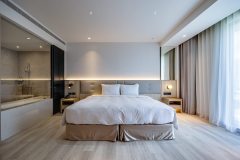
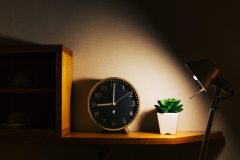
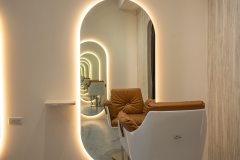
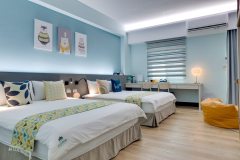



With light and shadow, an image gains depth.
Interior photography typically emphasizes the presentation of furnishings, design, layout, décor, and lighting within a space, aiming to convey its overall ambiance and spatial arrangement. When a space features large openings for natural light, a lighting-focused approach is often adopted, using photography to capture and highlight the tone and atmosphere of the environment.
Except for spaces without exterior windows, natural light from windows is typically considered an important part of the overall lighting plan when photographing interiors. However, on days without sunlight, creating the illusion of sunlight becomes a true test of a photographer’s mastery and understanding of lighting.
The use of simulated sunlight is common in portrait photography. When weather conditions are unfavorable, flash lighting can be used to create the effect of sunlight, enhancing and improving the overall atmosphere of the scene.
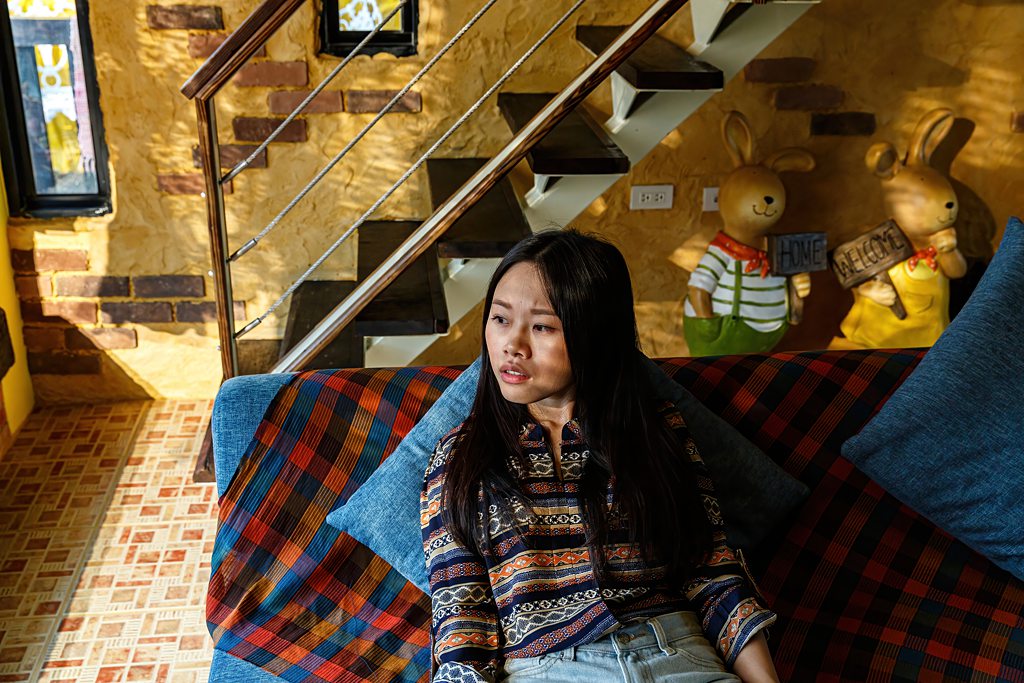
In the comparison image below, move the divider to see the difference: a scene without sunlight versus the same scene with artificial lighting simulating sunlight. Notice how the added light enhances depth and creates a richer atmosphere.
From the comparison above, it’s clear that adding a sunlight effect makes the entire image more dynamic, with richer colors and greater depth. Without the simulated sunlight, the scene appears less vibrant and fails to convey a sense of warmth and positive energy.
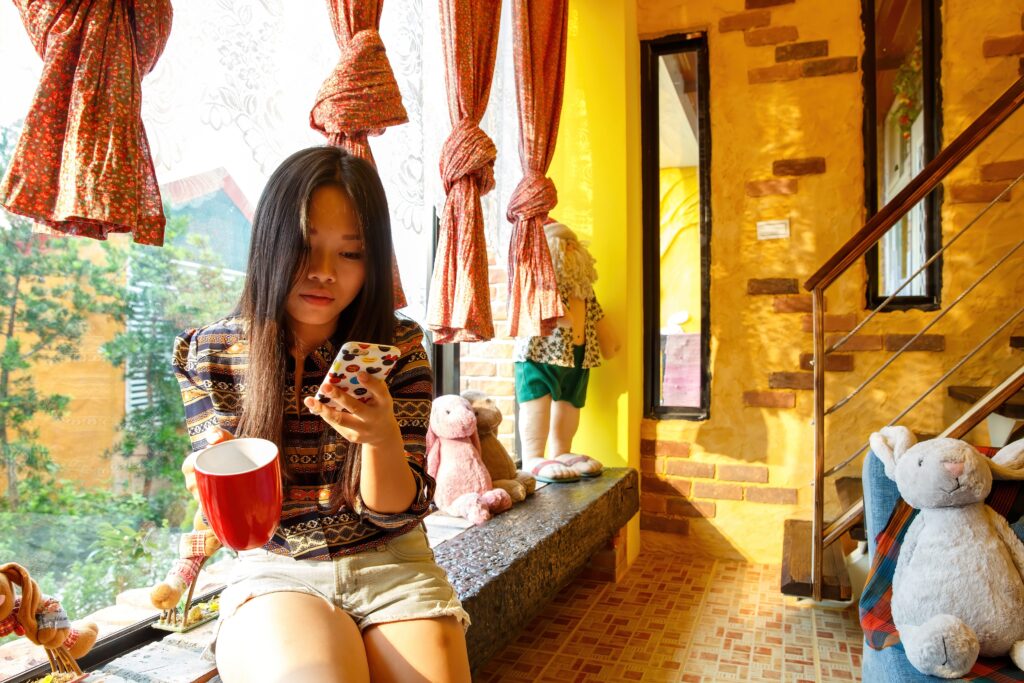
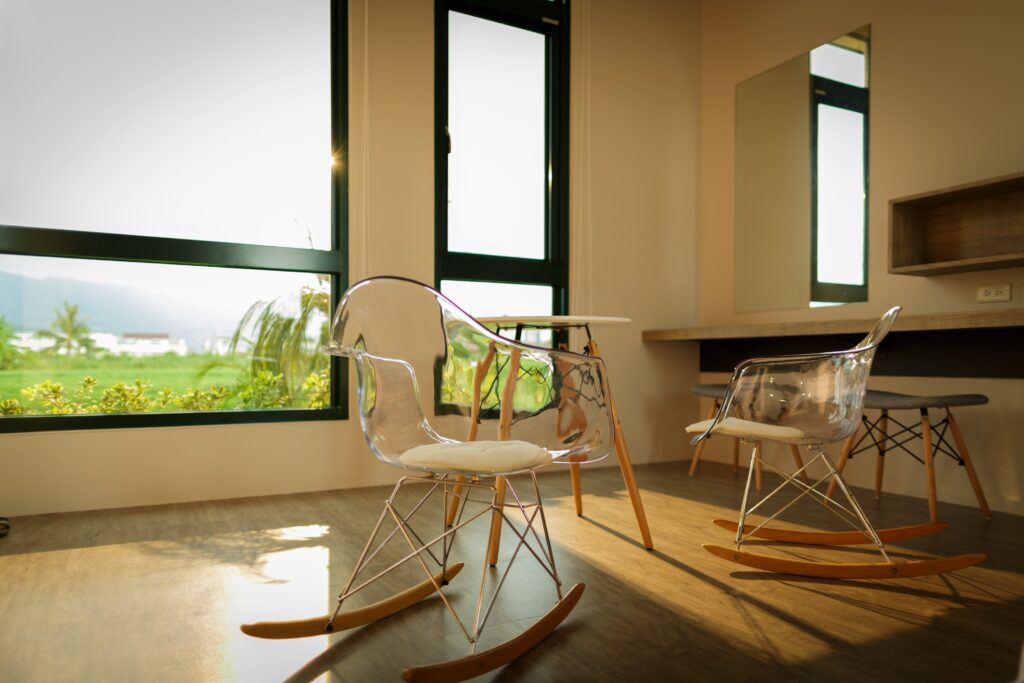
The sunlight effect created with artificial lighting brings warmth and energy to the entire scene. Relying solely on natural light would result in less depth and vibrancy in the image.
For showcasing a space’s features, we supplement natural light with artificial lighting to compensate for insufficient ambient light. This shoot took place on a cloudy afternoon around 2 p.m., when the indoor space appeared somewhat dim. Relying solely on existing light sources could not balance, let alone alter, the hierarchy between ambient daylight and interior lighting. With the introduction of artificial lighting, the image gained depth and the colors became more vibrant.
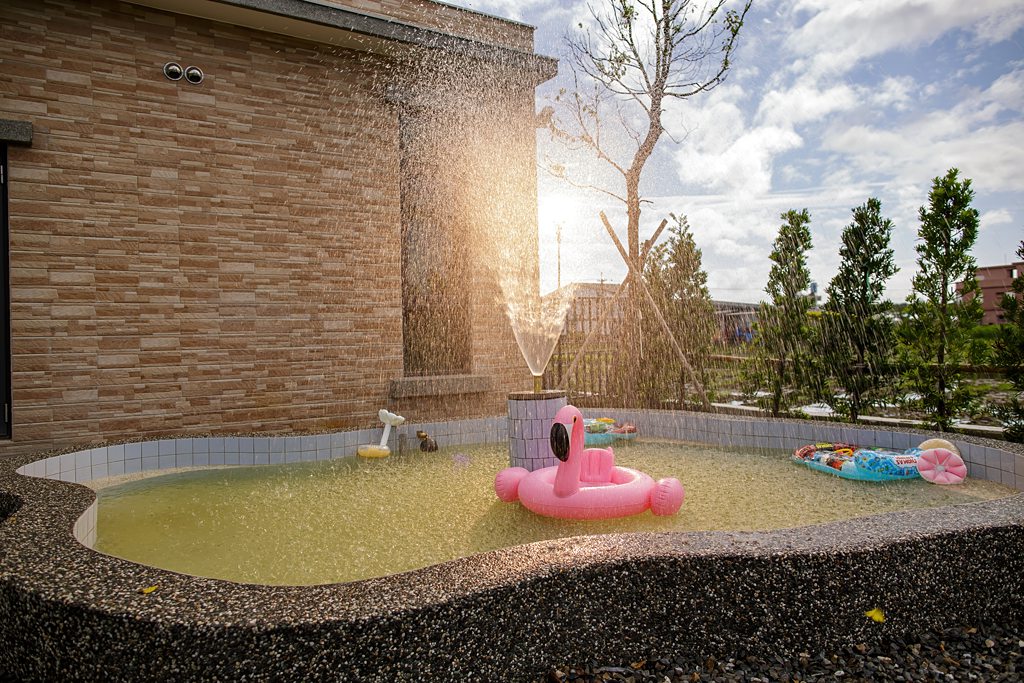
Artificial lighting can be used to create a sunlight effect not only indoors but also outdoors. With the right angle setup, it is possible to produce a convincingly realistic sunlight effect.
Drag the divider icon below to compare the results of a shot taken with natural ambient light versus one enhanced with artificial lighting to simulate sunlight. The photos were taken on an overcast day with no sunlight. By using artificial light combined with a color gel, the originally dim room was brought to life, transforming the overall atmosphere of the image.
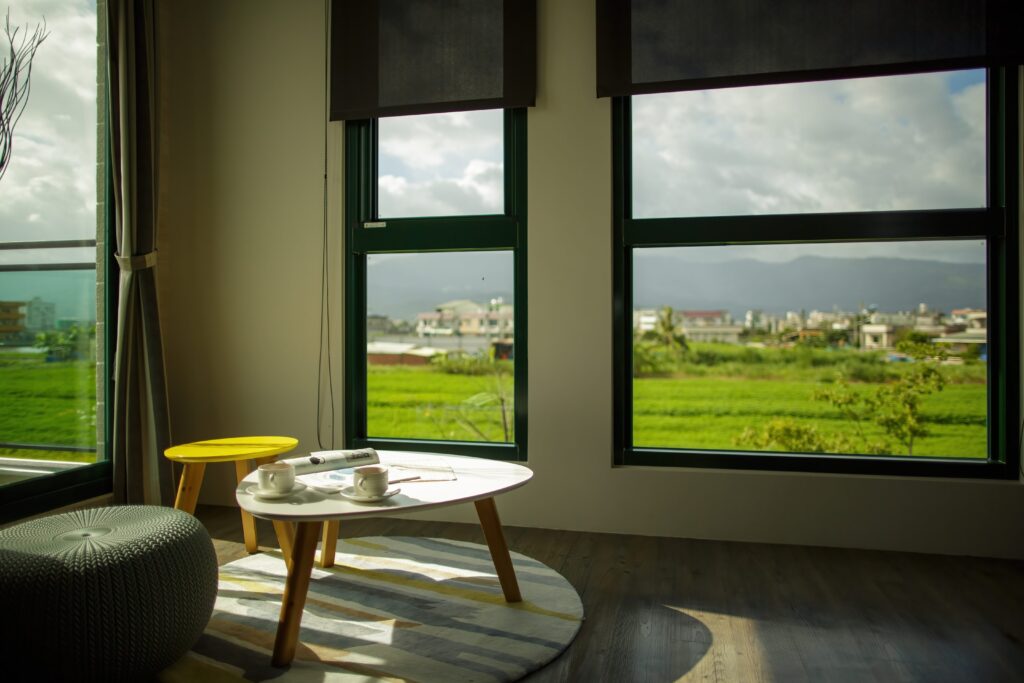
By blending ambient light with artificial lighting and establishing a primary-subordinate relationship, we can use artificial light to create the desired atmosphere without being limited by existing ambient light, thereby infusing vitality into the interior space. Artificial lighting can also be used to emphasize or highlight interior design lighting, or to accurately present the colors of interior décor. The artificial light sources used in photography generally have a higher color rendering index (CRI) than standard artificial lights used for indoor illumination, which means better color accuracy and reproduction. For projects that value interior space and design, using artificial light to improve shadow areas can significantly enhance color fidelity, clean up unwanted shadows, and allow for more precise control over light direction, thus creating the intended atmosphere.
Professional Real Estate Photography
When photographing real estate properties, the technique involves using flash and capturing multiple exposures of the same scene. The purpose is to balance the brightness between the interior and the exterior, control the exposure of outdoor views through the windows, and enhance the color variation and image quality in areas with insufficient lighting.
By using a digital SLR camera with flash, we can produce high-quality RAW images that offer significant flexibility for editing. By manually blending images taken with and without flash, we can create a photo with the optimal mix of flash and natural lighting. This allows us to brighten darker areas and reduce overly bright spots, thereby minimizing issues such as color shifts and excessive noise that may result from over-editing.
The final output delivers superior image quality in darker areas and offers more accurate color reproduction for interior furnishings. Since we edit multiple images of the same scene with varying lighting conditions, composing a single final image takes more time. This process ensures the details of the interior design are presented in full richness and allows us to faithfully capture the lighting effects envisioned by the interior designer.
The key difference from standard HDR photography or mobile phone shots lies in maintaining overall image quality and scene fidelity. If your property features rich design elements and branded furnishings, why not showcase the value they represent to enhance the property's market appeal? Every marketing approach holds its own value, and when combined, these methods can amplify that value. This is precisely the level of service we aim to deliver to you.
Photography is, at its core, the art of light and shadow. Without light, there is no image; without shadow, there is no depth.
It is the balanced arrangement of light and shadow that breathes life and soul into an otherwise ordinary space.
 English
  Chinese